Your Supply Chain Is a Collaboration System
The strongest value-chain transformations are built with suppliers, not merely pushed through procurement.
ROCeteer · 1 min read
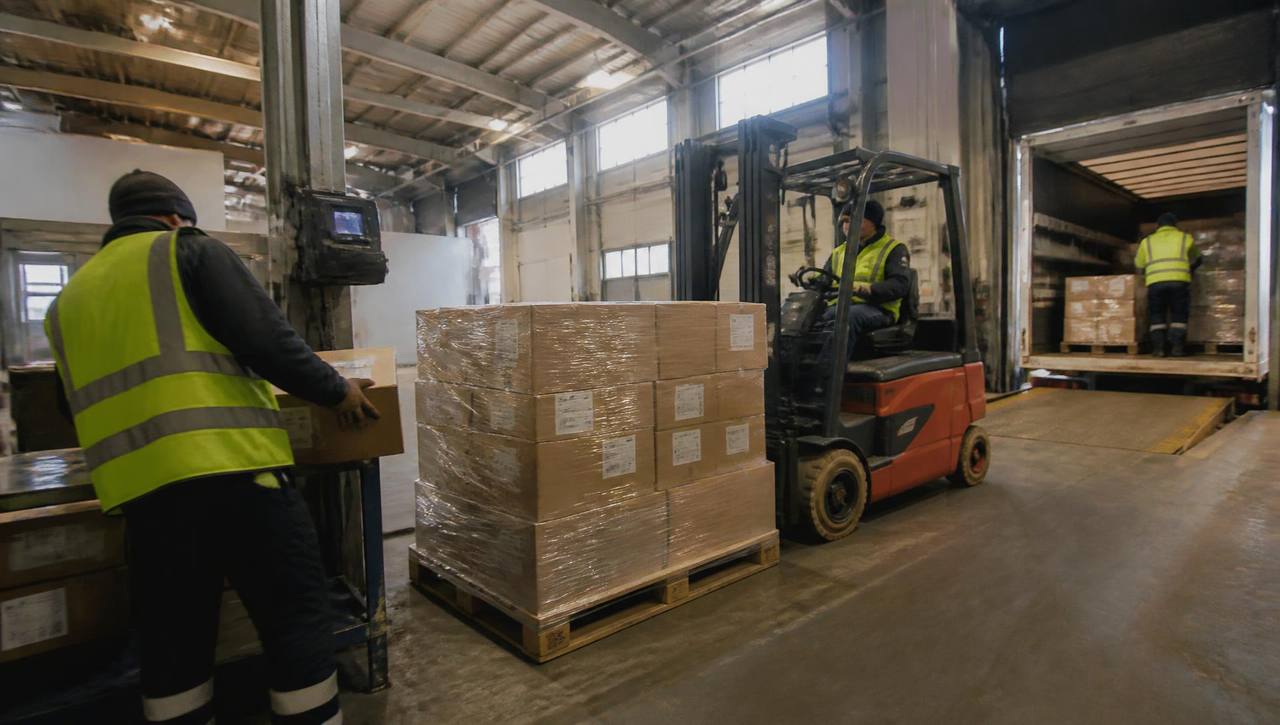
A value chain is a network of interdependence
Organisations can set ambitious targets at the centre, but much of the capability required to deliver them sits elsewhere: suppliers, logistics partners, technology providers, customers, financiers and regulators. That makes many supply-chain challenges collaboration challenges by definition.
The buyer may have leverage, but it rarely has all the knowledge, technology or capital needed to transform the whole system alone.
Compliance creates data. Collaboration creates capability
Requests for disclosure, targets and reporting can be necessary. But supplier engagement that consists only of questionnaires and deadlines tends to reveal the current state rather than change it.
Transformation requires suppliers to understand why the change matters, see a viable pathway, access knowledge and resources, and believe that investing in new capability will create value. That is a different relationship from compliance.
Segment the collaboration
Not every supplier needs the same depth of engagement. Some relationships are transactional. Others are strategically interdependent. Some suppliers hold disproportionate emissions, innovation capability, risk or influence.
Good value-chain collaboration segments the network and reserves the most intensive co-design, capability building and joint investment for the relationships where collaboration can create the greatest return.
“A supply chain becomes more capable when information, incentives and innovation can move across it — not only requirements.”
ROCeteer
Align incentives and adoption pathways
Suppliers are more likely to invest when demand is credible. Innovators are more likely to build when specifications and procurement pathways are visible. Buyers are more likely to adopt when performance, risk and commercial requirements are understood early.
This is where collaboration design becomes practical: shared roadmaps, buyer groups, challenge programs, common data standards, supplier cohorts, co-investment mechanisms and clear routes from pilot to procurement.