The Most Important Work Happens Between the Boxes
Complex challenges cross organisational boundaries. Collaboration design makes the interfaces visible and workable.
ROCeteer · 1 min read

Organisations are designed in boxes
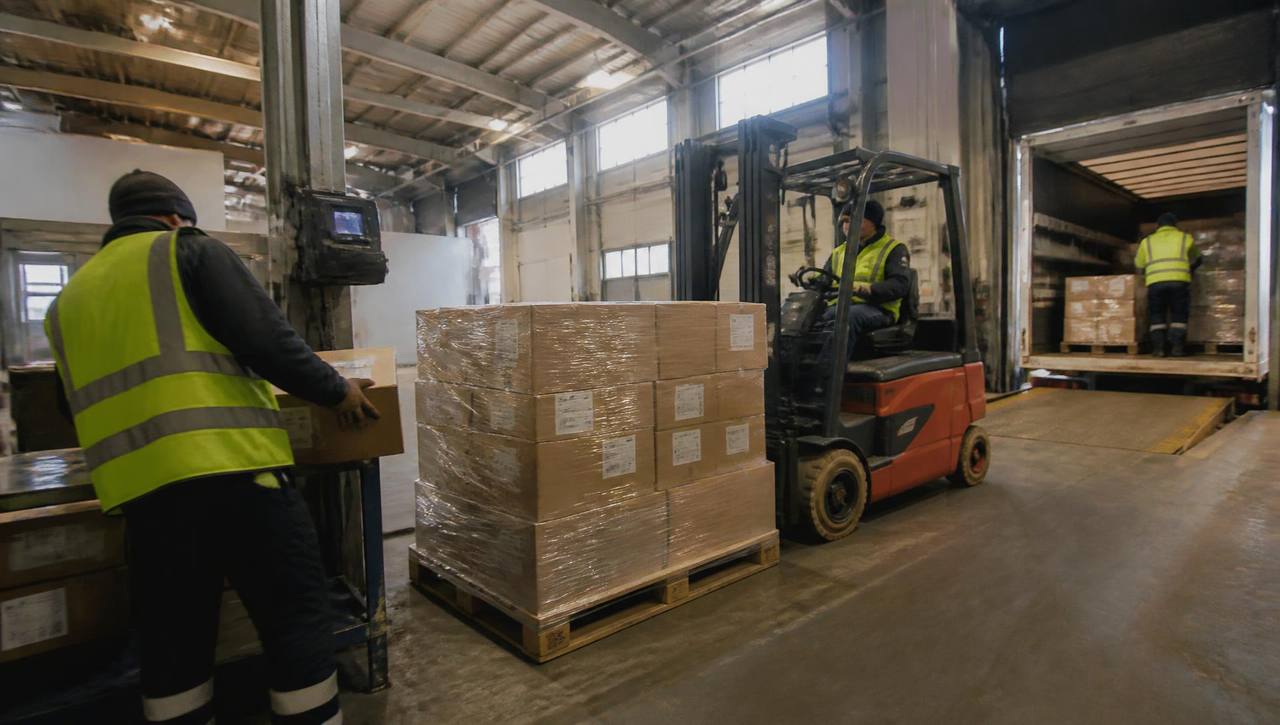
Organisation charts create clarity. They divide accountability, budgets, expertise and authority into manageable units. The difficulty is that many important outcomes do not respect those boundaries. Customer journeys cross functions. Innovation crosses business units. Supply chains cross companies. Climate outcomes cross industries and jurisdictions.
The more complex the challenge, the more likely the work depends on relationships between boxes rather than performance inside any one box.
Interfaces are where value gets lost
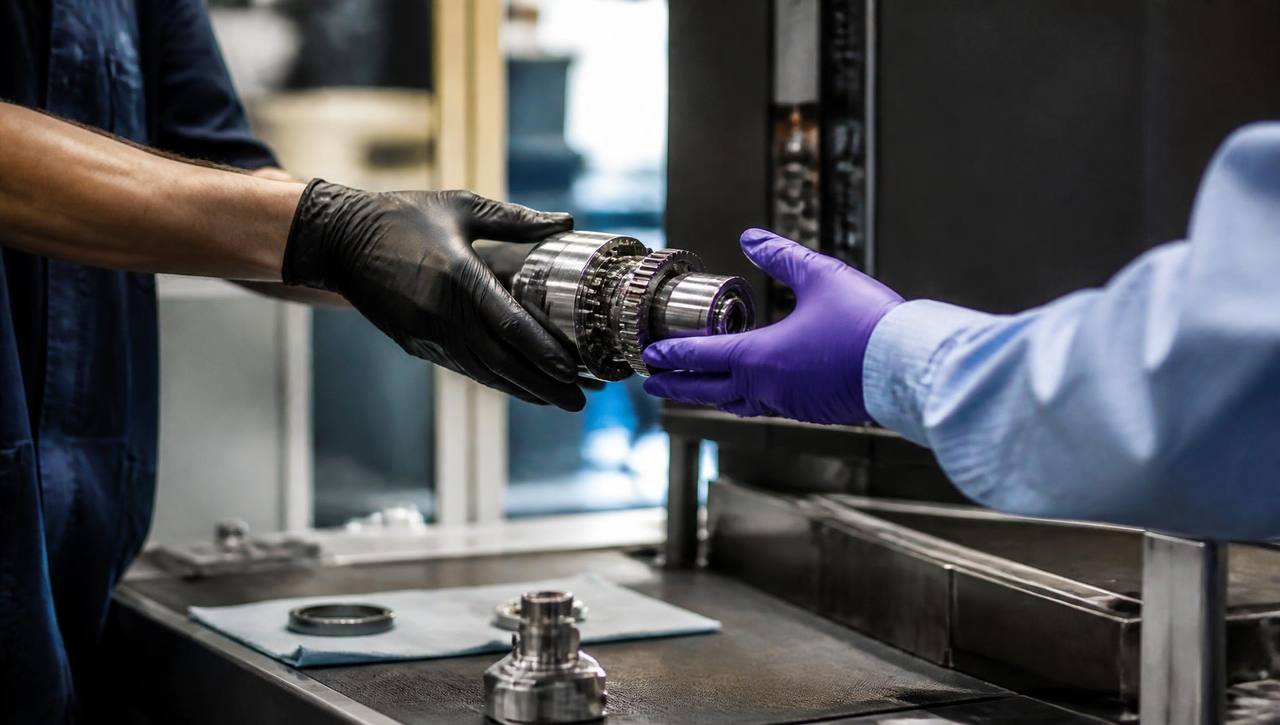
At boundaries, assumptions differ. Data changes format. Incentives diverge. Nobody owns the whole dependency. One team optimises its target and creates cost somewhere else. A supplier waits for a buyer. A pilot succeeds but procurement cannot adopt it. A strategy assumes capabilities another function does not have.
These are often described as communication problems. More often they are interface-design problems.
Map the dependency, not just the stakeholders
Stakeholder maps show who matters. Collaboration design goes further by asking how value, information, decisions, risks and resources move between them. Who depends on whom? Where are commitments exchanged? What needs to be true at one boundary for another part of the system to move?
Mapping these dependencies makes invisible coordination work visible — and therefore designable.
“Every interesting problem crosses a boundary somebody’s organisational chart says it should not.”
ROCeteer
Create roles and structures for the spaces between
Some work needs boundary-spanning roles: people trusted across multiple groups who translate language, connect capabilities and hold the shared outcome. Some work needs joint governance, shared metrics, cross-functional teams, communities of practice or neutral convening.
The mechanism should fit the dependency. The purpose is not to create another layer of meetings. It is to give the space between organisations enough structure to function.
Design the system around the outcome
The strongest collaboration designs begin with the outcome and work backwards across the boundaries required to produce it. They ask what must connect, what must remain autonomous, where coordination creates value and what participants need from one another.
That reframes collaboration from “getting along across silos” to designing the operating system for outcomes that no silo can own alone.