What Happened Because We Collaborated?
A practical way to think about Return on Collaboration — the value created that could not have been created alone.
ROCeteer · 2 min read

Collaboration is an investment
Every collaboration consumes resources. People attend meetings, share knowledge, expose uncertainty, coordinate dependencies, negotiate priorities and sometimes give up local optimisation for a larger outcome. That investment can be worthwhile — but only if it creates a return.
The problem is that organisations routinely measure the cost of collaboration and rarely measure the value. We count participants, meetings, workshops and hours. We are less disciplined about asking what changed because people worked together.
Value can exceed the sum of the parts
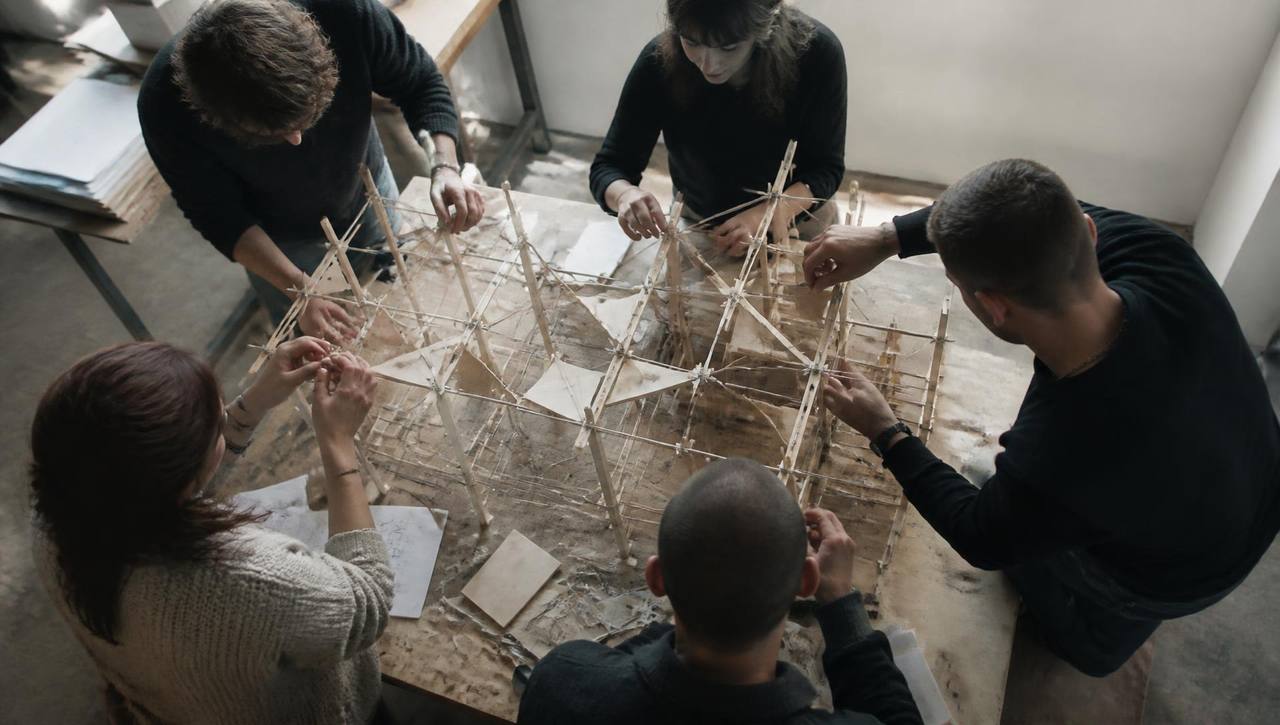
The most interesting collaborations create something no participant could have produced independently. Two organisations combine complementary capabilities. A buyer helps a supplier de-risk adoption. Competitors create a shared standard that expands the whole market. Diverse experts produce a solution that none of them entered the room holding.
That additional value is the collaboration dividend. Return on Collaboration is a way of making it visible.
Look for more than the immediate output
The return can show up in several forms. There is direct outcome value: a solution, decision, contract, innovation or measurable impact. There is performance value: better quality, speed, risk reduction or lower duplication. There is capability value: participants become better able to solve similar problems. There is relational value: trust, knowledge and networks deepen. And there is option value: new combinations and future opportunities become possible because the collaboration happened.
A good measurement approach looks beyond the event or deliverable to these wider effects.
“The most useful question in collaboration may be the simplest: what happened because we worked together?”
ROCeteer
Design for the return you want
Measurement starts before the collaboration begins. If success means faster adoption, design the collaboration around the barriers to adoption. If success means stronger supplier capability, include mutual learning and capability transfer. If success means a new ecosystem, pay attention to the density and quality of relationships, not only to transactions.
The clearer the intended return, the easier it becomes to choose participants, governance, activities and measures.
Use the result to improve the next cycle
Return on Collaboration is not a vanity metric. Its purpose is learning. What created disproportionate value? Where did coordination cost exceed the benefit? Which relationships became productive? Which voices were missing? What should be designed differently next time?
That creates a useful discipline: Discover, Align, Activate, Embed, Measure — and then feed the learning back into the next collaboration. The return is not the end of the process. It is information for the next design.