What if innovation wasn't a department — but a system?
In 2017, the U.S. Air Force began building AFWERX: an ambitious new approach to connecting Airmen, entrepreneurs, technology companies, academia, leaders and new pathways to action across an organisation of approximately 680,000 people.
ROCeteer was involved from the formative stages — facilitating an early workshop to help design how the emerging AFWERX ecosystem would work, then helping establish AFWERX Vegas, launch AFWERX Challenge and facilitate hundreds of workshops and innovation experiences supporting Airmen and their missions.
The goal wasn't to create another innovation office.
It was to increase the Air Force's capacity to innovate.
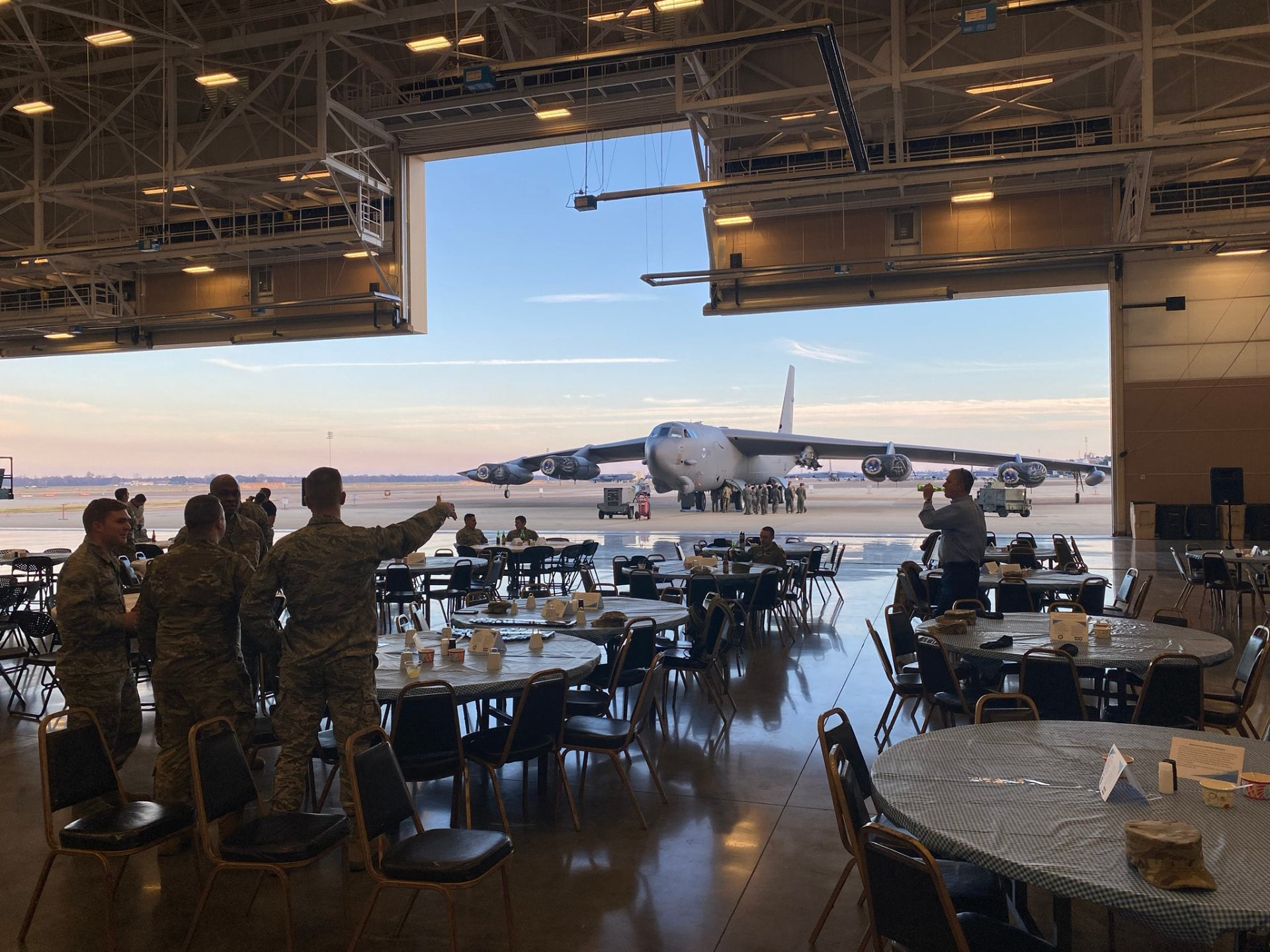
The ecosystem metrics shown on this page relate to the wider AFWERX initiative and should not be attributed solely to ROCeteer.
How should this innovation ecosystem actually work?
In October 2017, members of the emerging AFWERX ecosystem came together in Las Vegas for a foundational two-day workshop. ROCeteer facilitated the process.
The group wasn't discussing furniture, branding or event calendars. It was working through fundamental system-design questions.
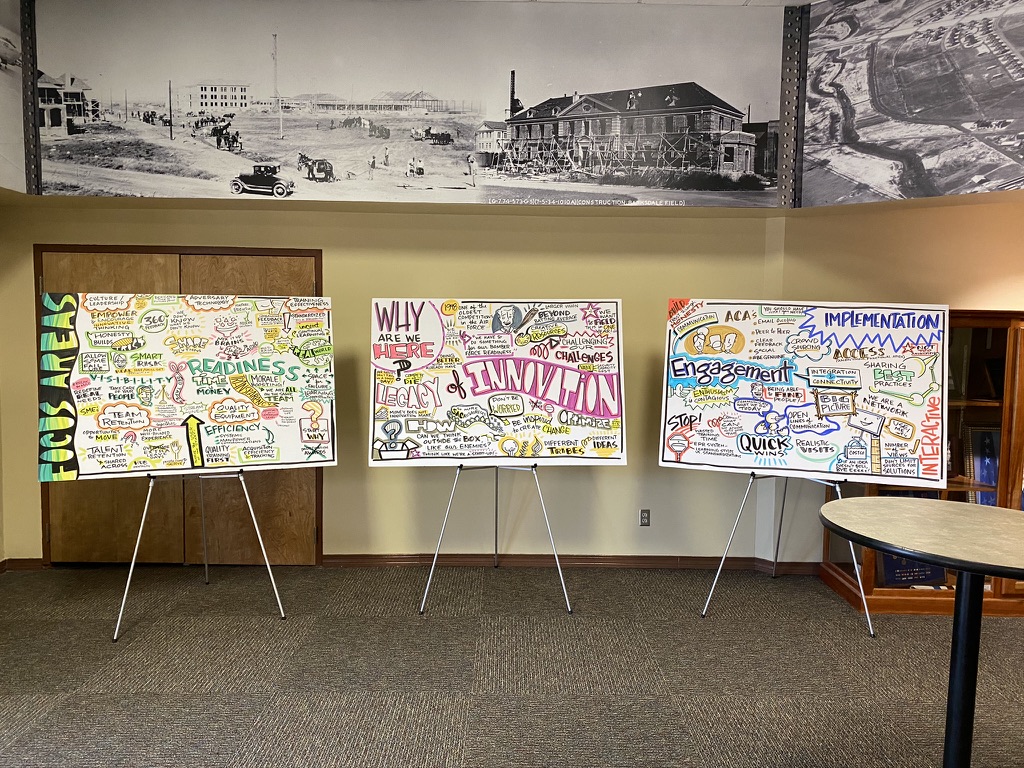
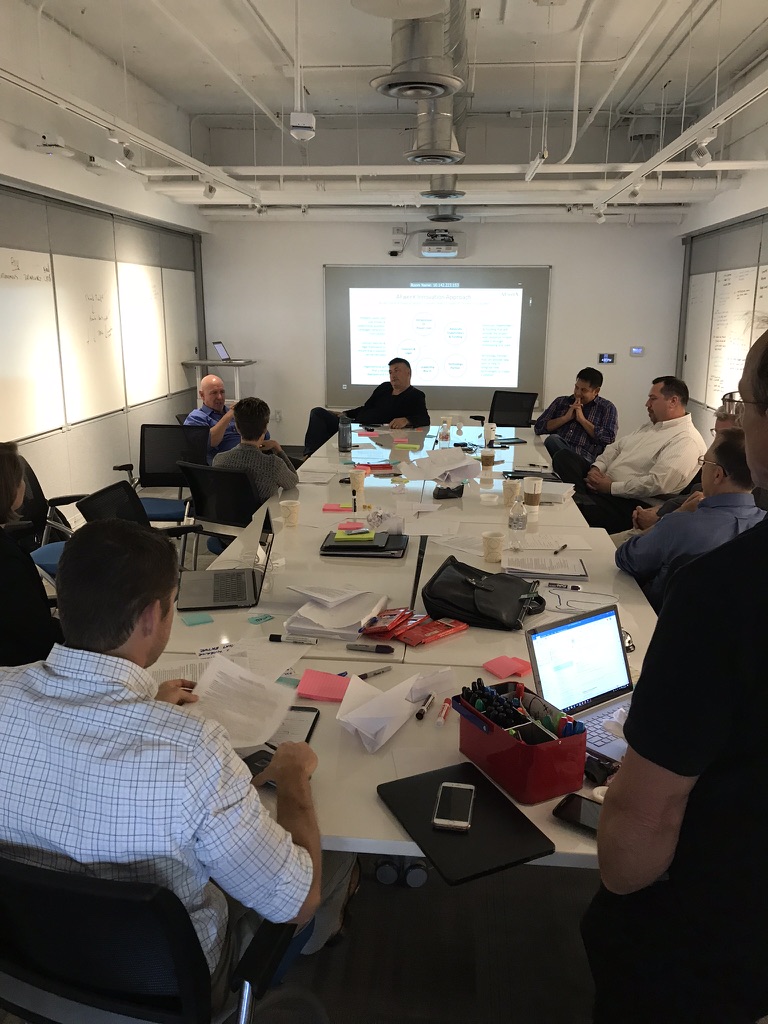
Original workshop artefacts · October 2017
Before we built the innovation hub, we helped design the innovation system.
Innovation wasn't the end goal. Mission impact was.
The workshop established a clear purpose for AFWERX. A rapidly changing world was creating new technologies, threats and opportunities.
The Air Force needed to become more capable of identifying possibilities, learning quickly and turning promising ideas into mission outcomes.
Create an Air Force that was more collaborative, intrapreneurial and cognitively diverse.
Increase speed, creativity and the ability to pivot.
Remain outcome-driven, continuously learning and focused on the warfighter.
Innovation was not the product. Better outcomes for the warfighter were the product.
You can't change a system without changing how people work together.
The formative AFWERX workshop did not only design structures and processes. It deliberately identified the culture required for the initiative to work.
Innovation systems do not succeed simply because new technology is introduced. People have to feel able to question assumptions, work across organisational boundaries, experiment, share ideas and collaborate with people who think differently.
This principle became central to the way ROCeteer approached AFWERX Vegas.
Collaboration wasn't a soft skill. It was part of the innovation infrastructure.
Connect demand. Connect supply. Create pathways to action.
AFWERX ultimately evolved into a deceptively simple innovation architecture — one that emerged through years of experimentation after the 2017 ecosystem thinking.
The power of the model was not any one component. It was the connections between them.
Innovation demand had to find innovation supply. Ideas had to find resources. Problems had to find experts.
Entrepreneurs had to find Air Force customers. Prototypes needed pathways to transition.
The innovation system worked when those connections worked.
The value wasn't in the nodes alone. The value was in the connections between them.
Create a place where different worlds could meet.
ROCeteer then helped turn the strategy into reality through AFWERX Vegas, working alongside the emerging AFWERX team.
The purpose wasn't simply to create an unconventional military office. It was to create a physical and social environment where people who rarely encountered each other could work together — through workshops, innovation sprints, challenge definition, rapid prototyping, industry engagement, events, collisions and problem solving.
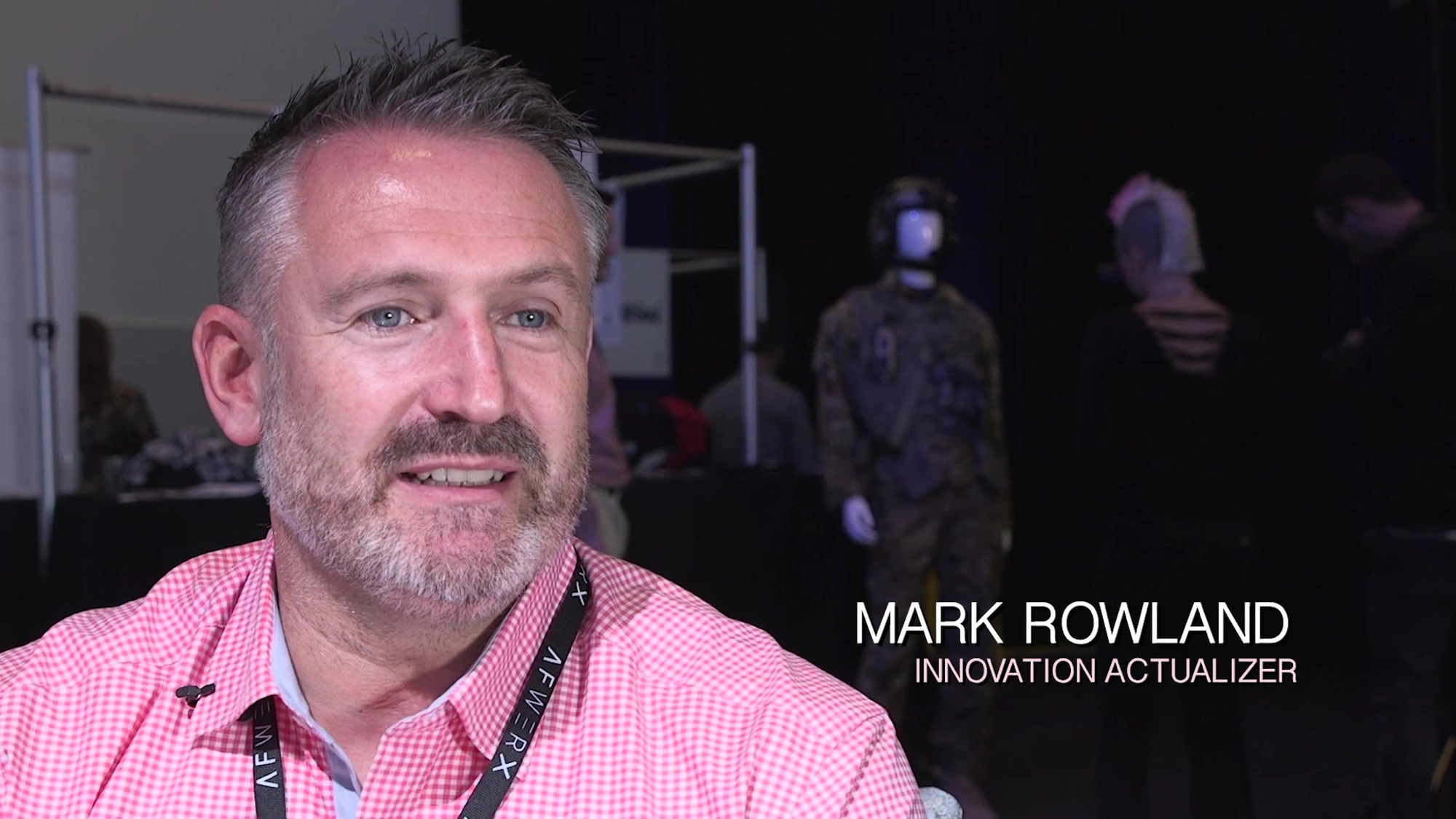
Mark Rowland led the civilian effort supporting the Vegas hub.
Not just an innovation hub. A collaboration interface between the Air Force and the outside world.
A workshop isn't a room full of Post-it notes.
A major part of the AFWERX Vegas mission became the design and facilitation of collaborative workshops and innovation sprints. ROCeteer helped develop and deliver sessions ranging from small teams to groups of up to approximately 200 participants — hundreds of workshops over the course of the engagement.
The important lesson was that collaboration had to be designed before people entered the room. Preparation could begin weeks or months earlier.
- —What are we really trying to achieve?
- —Who experiences the problem?
- —Who has authority?
- —Who has knowledge?
- —Who could challenge existing assumptions?
- —Who needs to support implementation later?
- —What biases need to be managed?
- —What resources are required?
- —What could prevent action?
Don't throw the problem over the fence. Bring the system into the room.
Many complex organisational problems fail because different functions become involved too late. A solution is developed. Then it is handed to contracting. Then legal. Then engineering. Then testing. Then operations.
Every hand-off creates another opportunity for friction.
AFWERX Vegas took a different approach. Bringing these perspectives together earlier created shared understanding and increased the likelihood that solutions could actually progress.
Don't design the solution and then seek buy-in. Design the solution with the people who will make it real.
Expertise matters. So does difference.
AFWERX deliberately widened where ideas could come from. This was intentional. People deeply immersed in a problem bring essential expertise. They also bring assumptions.
ROCeteer's facilitation approach therefore sought both deep knowledge and different perspectives. Facilitators did not need to be the technical experts in the room.
Their expertise was in helping groups of humans explore problems, surface assumptions, manage bias and work toward shared outcomes.
Sometimes the breakthrough comes from the person who doesn't know how things have always been done.
Don't make innovation AFWERX's job. Help more people become innovators.
One of AFWERX's most important principles was empowerment. The goal was not to create one innovation office responsible for generating ideas for the entire Air Force. The goal was to help Airmen innovate.
The wider system included Spark Cells — distributed, semi-autonomous innovation communities embedded at Air Force bases.
These are wider AFWERX outcomes, achieved by Air Force leaders, Airmen, AFRL, Defensewerx, Spark teams, contractors and many innovation partners — not the result of ROCeteer's work alone.
Don't be an innovation office. Be an innovation empowerment office.
What if the best answer came from outside the system?
ROCeteer also helped launch AFWERX Challenge. The model was designed to connect Air Force problem owners with a much wider community of possible solution providers. Traditional defence contractors remained welcome — but so were many others.
The goal was to change who could participate in solving Air Force problems.
of companies submitting solutions had never previously partnered with government
These figures represent the broader AFWERX Challenge program between 2018 and 2021, delivered by many partners — they are not outcomes created solely by ROCeteer.
The system didn't just find more solutions. It changed who could participate.
What happens when you apply the system to a real problem?
One of the first AFWERX Challenges involved a problem the Air Force had been trying to solve for almost a decade: the fixed-wing aircrew helmet. Traditional acquisition attempts had cost millions of dollars and repeatedly attracted only one proposal.
Using the AFWERX Challenge approach, 101 solutions were submitted from four countries, and promising companies were on contract within approximately 20 weeks. The process ultimately created collaborations between helmet manufacturers and specialist technology companies that had never previously worked together.
Explore the USAF Helmet ChallengeCreate the conditions for new connections to form.
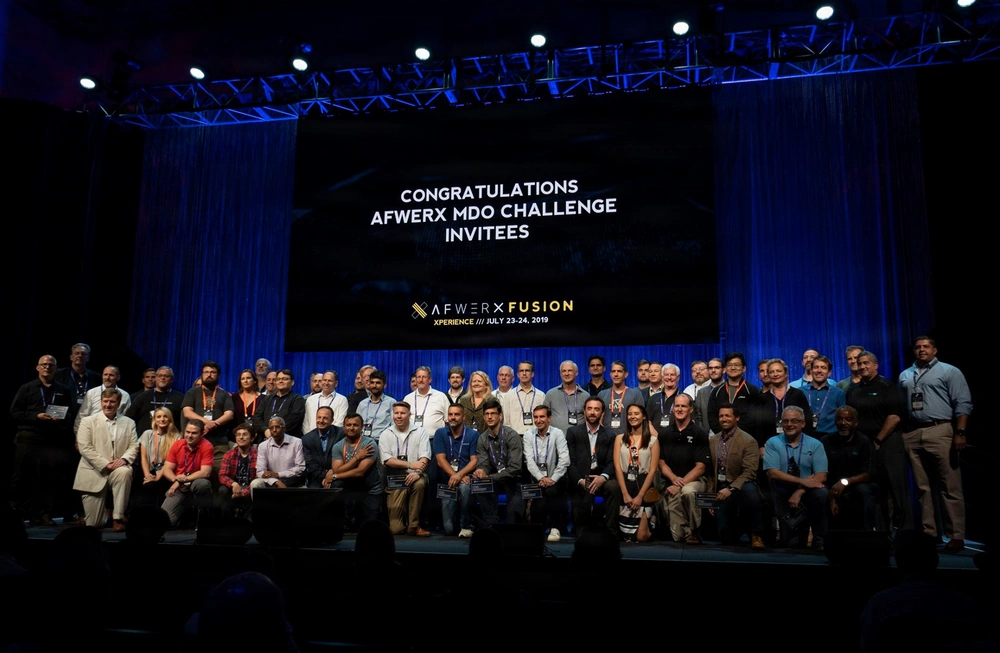
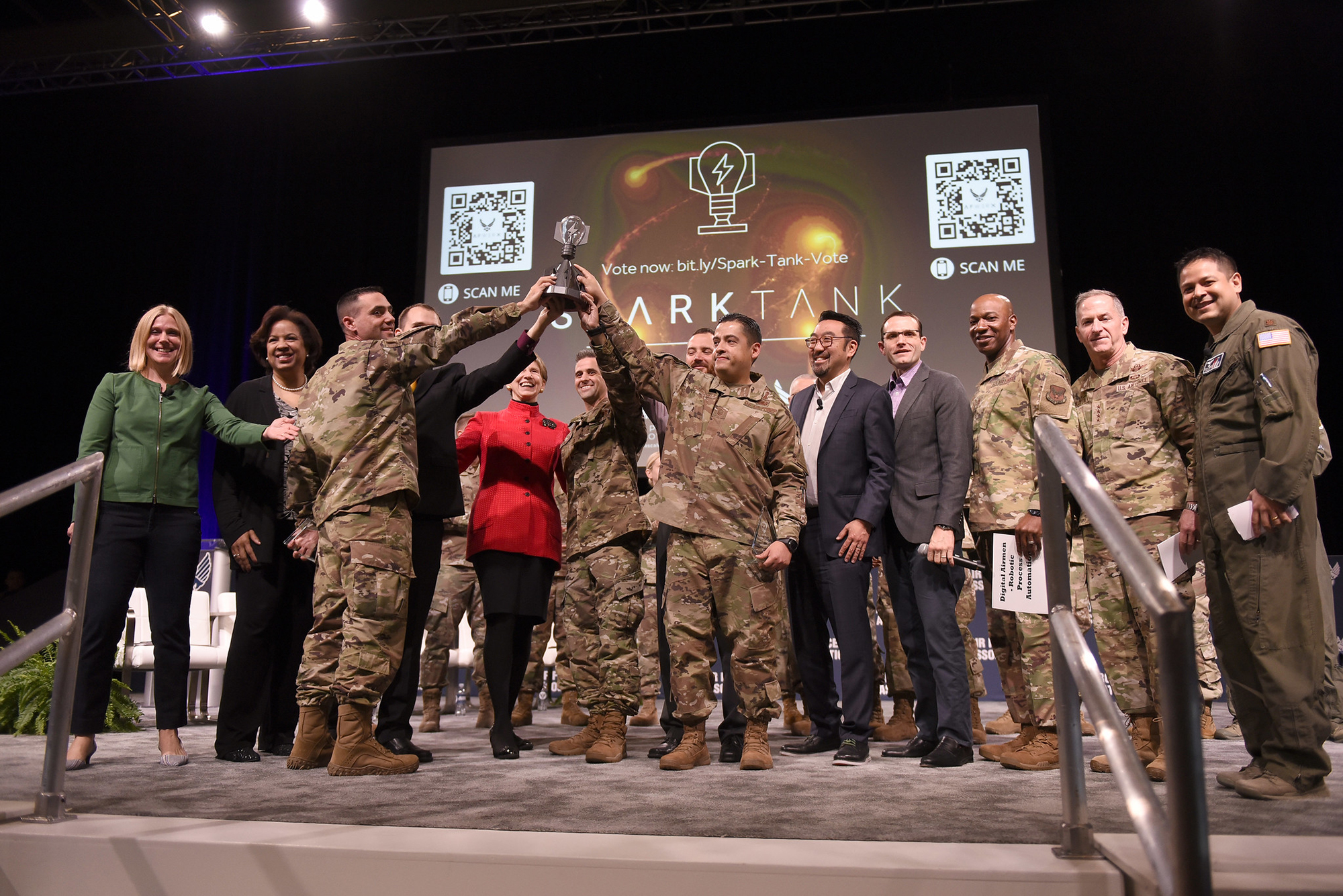
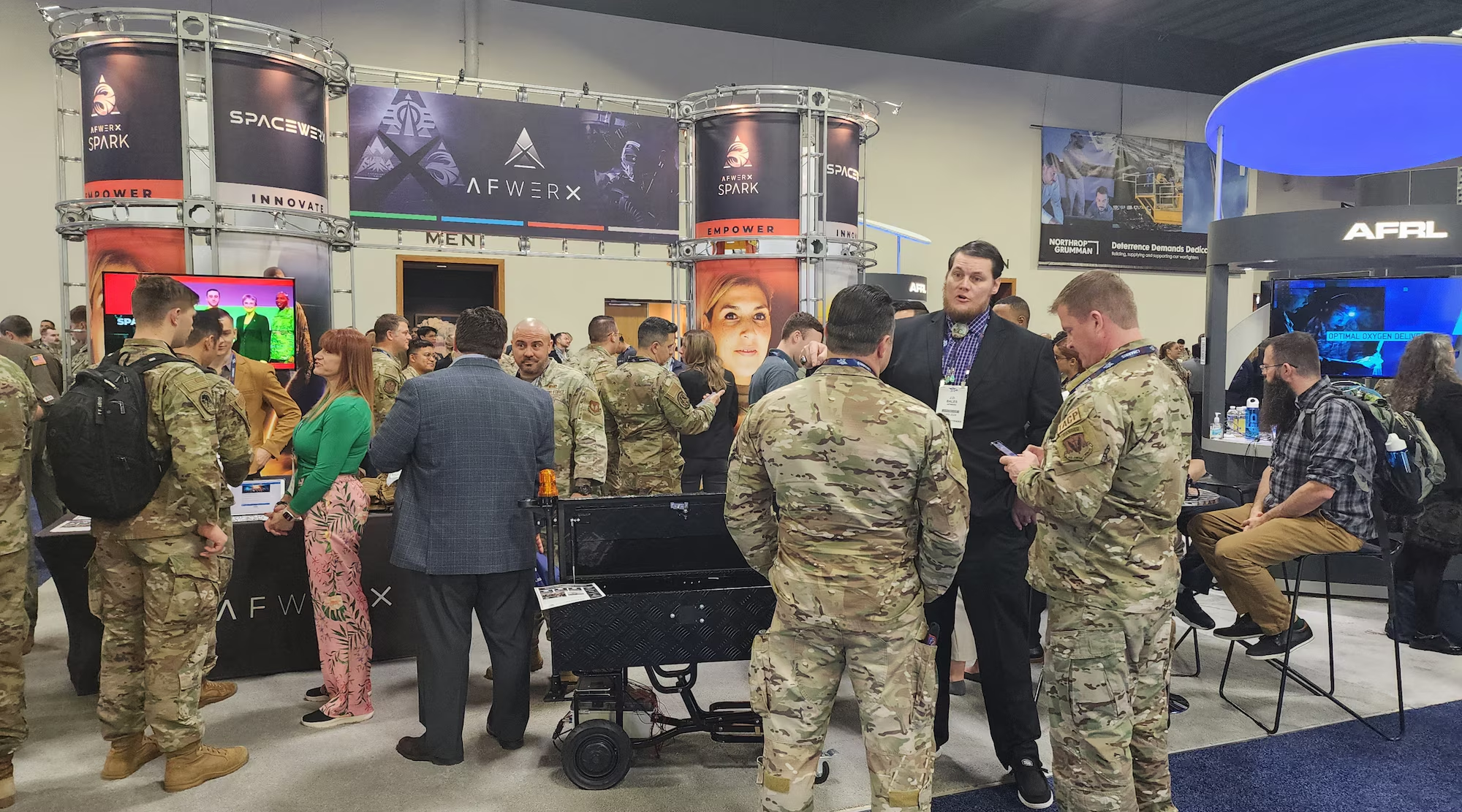
AFWERX Vegas also hosted the AFWERX Fusion Xperience, bringing together Airmen, senior leaders, academia, entrepreneurs, technology companies, traditional defence organisations and other innovators. Attendance grew from approximately 600 in 2018 to 1,200 in 2019. The 2018 Multi-Domain Operations Challenge attracted 317 solutions, with the top 100 teams invited to showcase.
But the objective was larger than another innovation conference. Fusion was designed to create collisions: people meeting, ideas crossing boundaries, companies finding Air Force customers, Airmen discovering technologies and potential collaborators finding one another.

A good idea isn't enough.
The October 2017 workshop began identifying the ingredients needed for an innovation to progress. That thinking evolved through AFWERX experimentation into five interconnected factors — not a checklist, but a network that has to hold together.
Someone who owns the problem and will persist.
Someone prepared to provide funding or resources.
Someone capable of contributing to the solution.
Leaders willing to provide support and remove barriers.
People capable of creating a pathway through the institutional system.
The answer wasn't a better idea pipeline. It was a better collaboration system around the idea.
The return wasn't a single innovation. It was a system capable of producing more innovation.
AFWERX demonstrated what becomes possible when innovation is treated not as the responsibility of one department, but as a network of relationships and pathways.
ROCeteer's contribution was to help design, build and activate important parts of that collaborative infrastructure.
The result was not simply more activity. It was greater capacity across the system to discover, connect, experiment, learn and act.
The Return on Collaboration was a greater capacity to innovate.
The lessons that travel.
Innovation depends on the pathways connecting problems, people, knowledge, resources and action.
Getting stakeholders into a room is not enough. Purpose, participation, process and facilitation matter.
Opening problems to people outside traditional networks creates access to new knowledge and technologies.
The people closest to a problem often understand it best. Give them pathways, resources and support to act.
Ideas create little value if contracting, leadership, resources, legal pathways and end users are not connected early enough to help move them forward.
From one room in Las Vegas to an innovation ecosystem.
ROCeteer's AFWERX engagement began with a group of people around walls covered in Post-it notes asking how a new innovation ecosystem should work.
What followed was years of experimentation. A collaboration hub. Hundreds of facilitated workshops and sprints. An open innovation challenge model. Connections with thousands of innovators. Rapid prototypes. New pathways between Airmen and industry. And an innovation system designed to help more people contribute to the mission.
Not everything worked. AFWERX itself evolved. Programs changed. Experiments were stopped, adapted or scaled. That was part of the model.
The enduring lesson was much bigger.
Innovation does not happen inside one team. It emerges from the connections between people, capabilities and systems.
The magic was in the connections.
What could your organisation achieve if innovation became a system?
ROCeteer helps organisations design the relationships, structures and collaborative conditions that turn distributed knowledge and capability into collective action.
This is what collaboration by design looks like at system scale.