From Convening to Collective Action
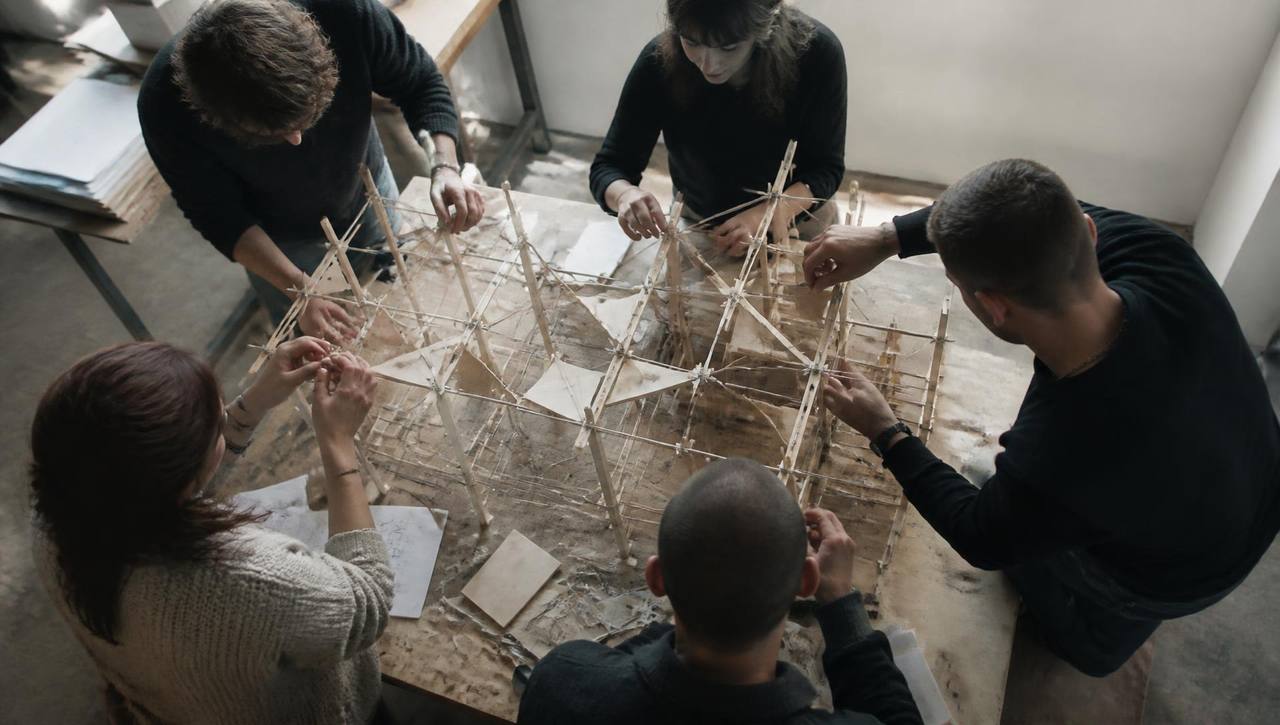
A room full of aligned people is only potential. Collaboration creates value when alignment becomes coordinated action.
ROCeteer · 2 min read
Convening is valuable — and incomplete
Bringing the right people together can be a powerful intervention. It creates shared context, new relationships and a chance to see a challenge through multiple perspectives. But convening is not the same as collaborating.
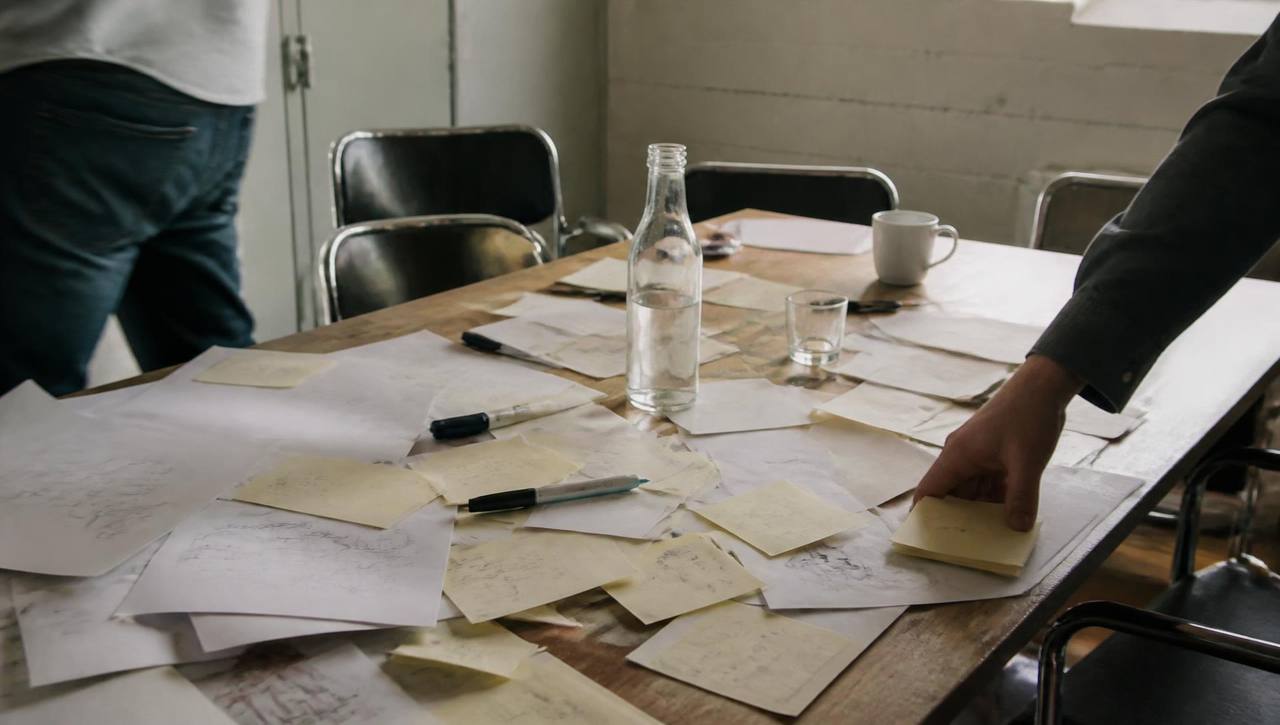
Many groups leave a well-run workshop with energy, sticky notes and broad agreement, then return to organisations whose incentives, authority and priorities have not changed. The meeting worked. The collaboration system did not.
Give the room a real problem
Collective action starts with a problem specific enough to act on and important enough to require multiple participants. “Explore opportunities” rarely creates the same energy as a shared challenge with clear consequences, constraints and a meaningful outcome.
A strong problem statement creates productive interdependence. People understand why their perspective matters and why the answer cannot come from one organisation alone.
Design participation, not attendance
Who is in the room changes what the room can know and do. Good collaboration design looks beyond titles and logos to capabilities, authority, lived experience, networks and perspectives. It also considers power: who speaks easily, who carries risk, who controls resources, and who will ultimately have to implement the outcome.
Participation should be designed so different forms of knowledge can enter the work, not merely be represented on a guest list.
“A great room creates energy. A great collaboration creates movement.”
ROCeteer
Build the pathway to action into the process
If the desired outcome requires a decision, know who can make it. If it requires funding, bring the funding logic into the work. If it requires procurement, include the buyer and the adoption pathway. If it requires experiments, define who owns the first test and what evidence will trigger the next step.
Action should not be the follow-up to collaboration. The pathway to action is part of the collaboration design.
Create a learning loop
Complex work changes as participants act. New information appears, assumptions fail and relationships evolve. Collective action therefore needs a cadence for learning: what did we try, what happened, what did we learn, what changes now?
This is how a group becomes more than a temporary gathering. It becomes a community of action — able to coordinate, learn and keep moving together after the event is over.