What if you could design the conditions for an ecosystem to emerge?
Tony Hsieh launched one of the most audacious urban experiments of its era — investing hundreds of millions of dollars to help transform Downtown Las Vegas through entrepreneurship, small business, education, culture and community.
But buildings, capital and businesses alone do not create an ecosystem. People and relationships do.
ROCeteer was created inside Downtown Project to strengthen those connections — supporting entrepreneurs, connecting people across industries, and deliberately creating opportunities for what we came to call quality collisions.
Economic figures relate to the wider Downtown Project ecosystem and should not be presented as outcomes caused solely by ROCeteer.
Build a city like a startup.
Tony Hsieh believed that Downtown Las Vegas could become more than a collection of buildings and businesses. The ambition was to create an entrepreneurial ecosystem built around three ideas: collisions, co-learning and connectedness.
Downtown Project launched with an initial commitment of approximately $350 million across real estate, technology companies, small businesses, education, arts and culture. The wider investment would ultimately approach $400 million.
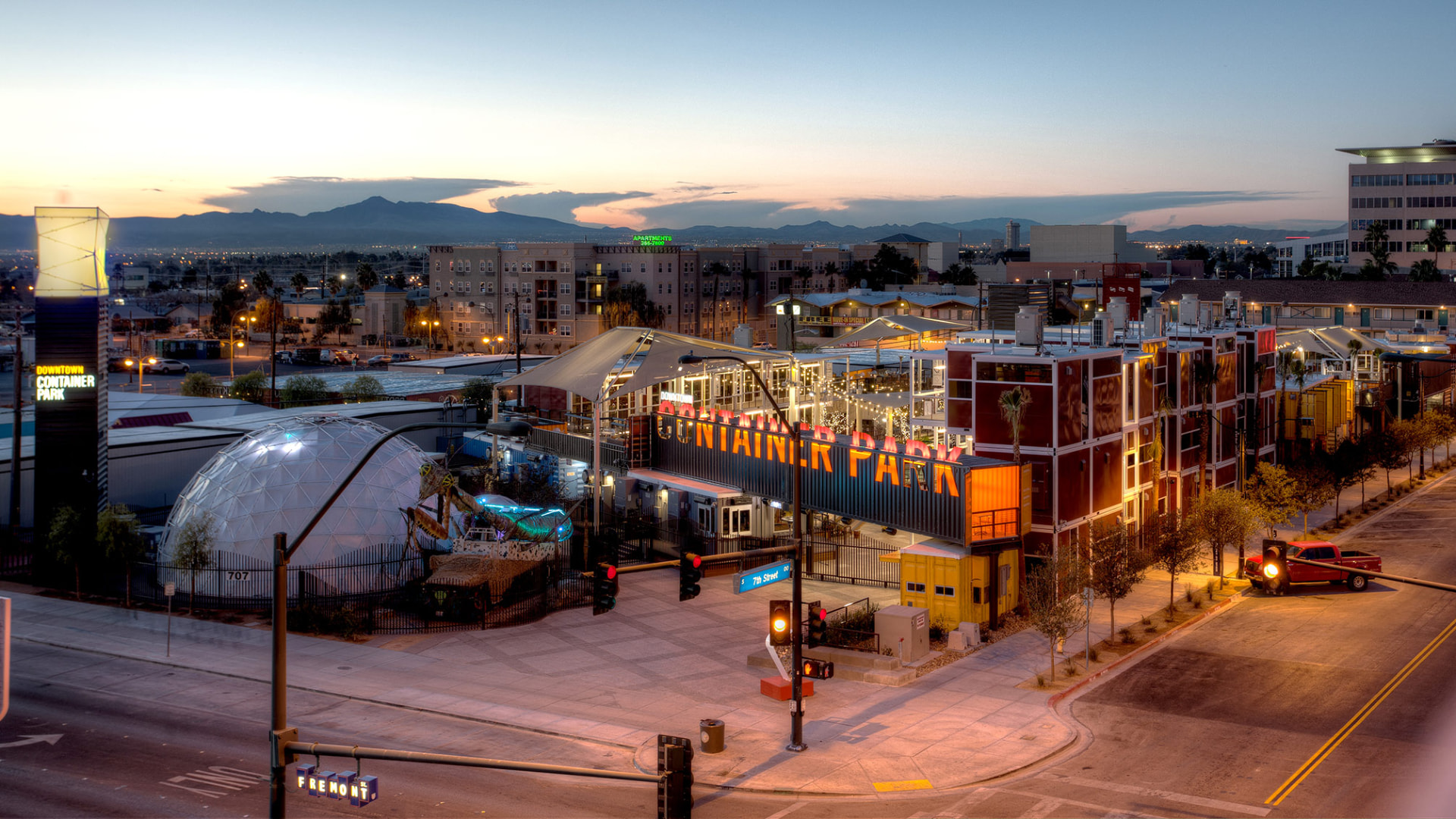
The city itself became part of the experiment. Coworking spaces, restaurants, bars, schools, healthcare ventures, cultural events, technology companies and community spaces were intentionally concentrated and connected across Downtown Las Vegas.
The hypothesis was simple: increase the opportunities for people to encounter each other, exchange ideas and create things together.
DTP was investing in the nodes. ROCeteer was helping strengthen the connections.
An entrepreneurial ecosystem is not created simply because talented people and businesses occupy the same neighbourhood.
Proximity creates possibility. Relationships create ecosystems.
ROCeteer was launched inside Downtown Project to support the entrepreneurs, companies and people within this rapidly emerging community. The role went far beyond conventional business mentoring.
ROCeteer worked to connect founders with each other, connect businesses across different industries, connect entrepreneurs with expertise and deliberately create opportunities for people who might otherwise never meet. This became the relational infrastructure behind the ecosystem.
ROCeteer strengthened the connections between them
From collisions to quality collisions.
Downtown Project talked extensively about creating collisions — increasing the number of opportunities people had to encounter each other. ROCeteer became interested in a deeper question: what makes a collision valuable?
Meeting someone from your existing network may strengthen a relationship. But innovation often comes from connecting people who see the world differently.
So ROCeteer began deliberately encouraging quality collisions — encounters between people from different industries, networks, disciplines or perspectives where the combination created the possibility of something new.
Collision
Two people meet.
Connection
They discover something relevant.
Quality collision
Different knowledge, perspectives or capabilities intersect.
Collaboration
They decide to do something together.
Return on Collaboration
Something becomes possible that would have been difficult to create independently.
The goal wasn't more networking. It was better connections.
The entrepreneurs needed more than capital.
ROCeteer developed a new model of entrepreneurial support specifically for the Downtown Project environment. Rather than creating another traditional accelerator, the model brought together four different support modalities.
Coaching
Helping founders think differently, challenge assumptions and develop themselves.
Mentoring
Connecting people with experienced practitioners who could share knowledge, experience and relationships.
Consulting
Bringing specialist expertise to strategy, finance, operations, marketing and other business challenges.
Training
Building practical skills and capabilities within companies and teams.
The philosophy was simple.
Different people need different forms of support at different moments. Do not force every entrepreneur through the same program. Design the support around the individual, the company and the wider ecosystem.
From a mentor network to a support ecosystem.
ROCeteer designed a two-layer support model.
A locally embedded ROCeteer team working directly within the Downtown Las Vegas community. The Ground Team could build relationships over time, understand the context of individual companies and proactively identify where help was needed.
A much wider network of specialists, entrepreneurs, executives, coaches, mentors and experts who could be brought into the ecosystem when particular knowledge or experience was required.
The ambition was to give entrepreneurs access to the right support at the right moment — whether that came from someone next door or someone elsewhere in the world.
Community events, education, peer support, introductions and shared resources.
More targeted mentoring, workshops and specialist support.
Intensive support for companies or founders facing particularly important opportunities or challenges.
Support could be allocated based on factors such as strategy, execution, financial position, team dynamics, community importance and collective insight from across the ecosystem.
Support the company. Support the founder. Strengthen the community.
What if return meant more than money?
Tony Hsieh challenged Downtown Project to think beyond conventional Return on Investment. An investment could create financial value. But it could also create value for the community around it.
This became Return on Community.
ROCeteer incorporated this thinking directly into its support model. The original ROCeteer framework explicitly considered two dimensions.
Could supporting this company increase its probability of commercial success and financial return?
Could supporting these people strengthen relationships, retain talent, increase community capability and create value elsewhere in the ecosystem?
The purpose of the program was expressed simply: members of the community, plus support from the ROCeteer program, equals happier entrepreneurs, more successful ventures and increased community vibrancy.
The language evolved. The underlying question remained: what value becomes possible because people are better connected?
The whole neighbourhood became part of the experiment.
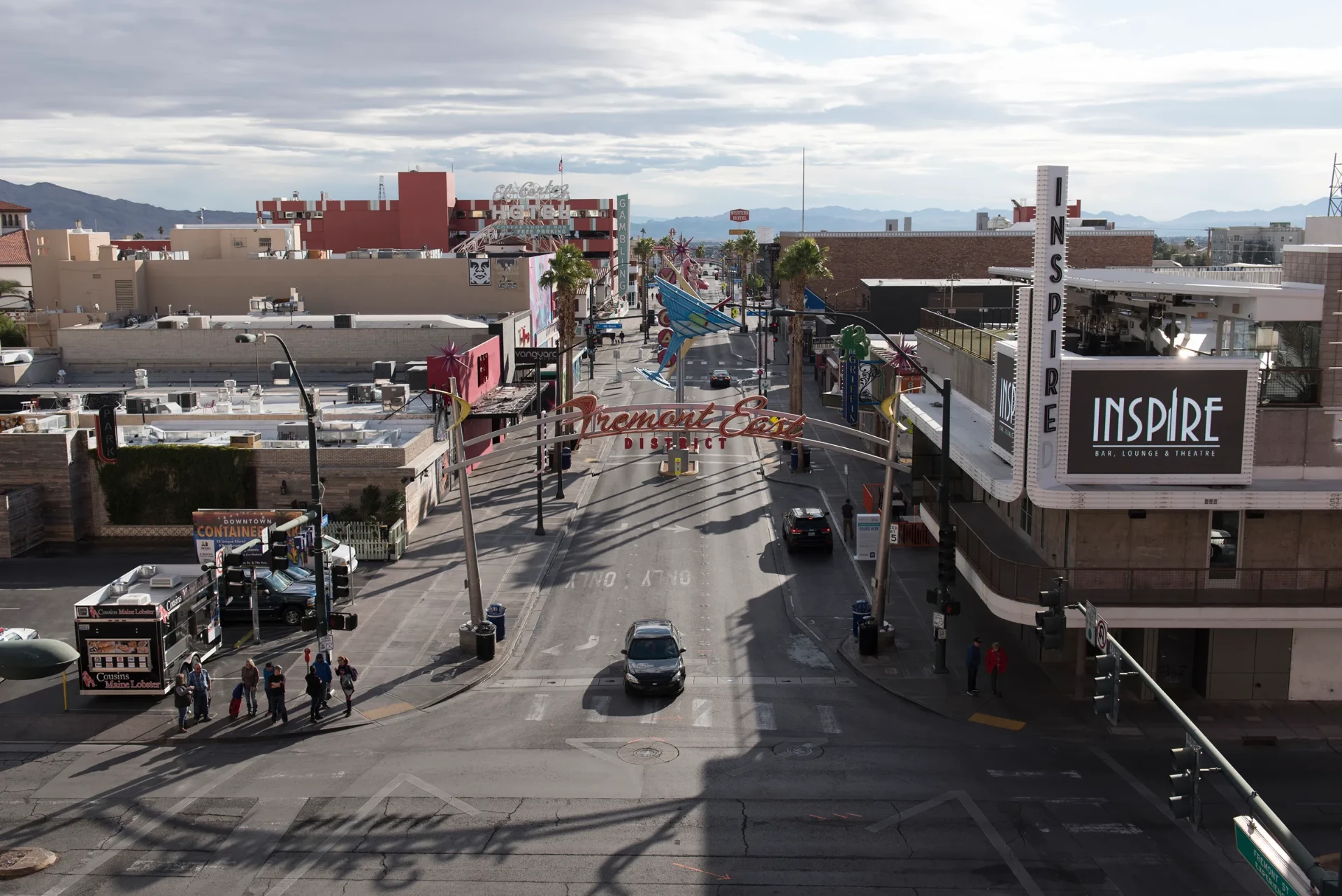
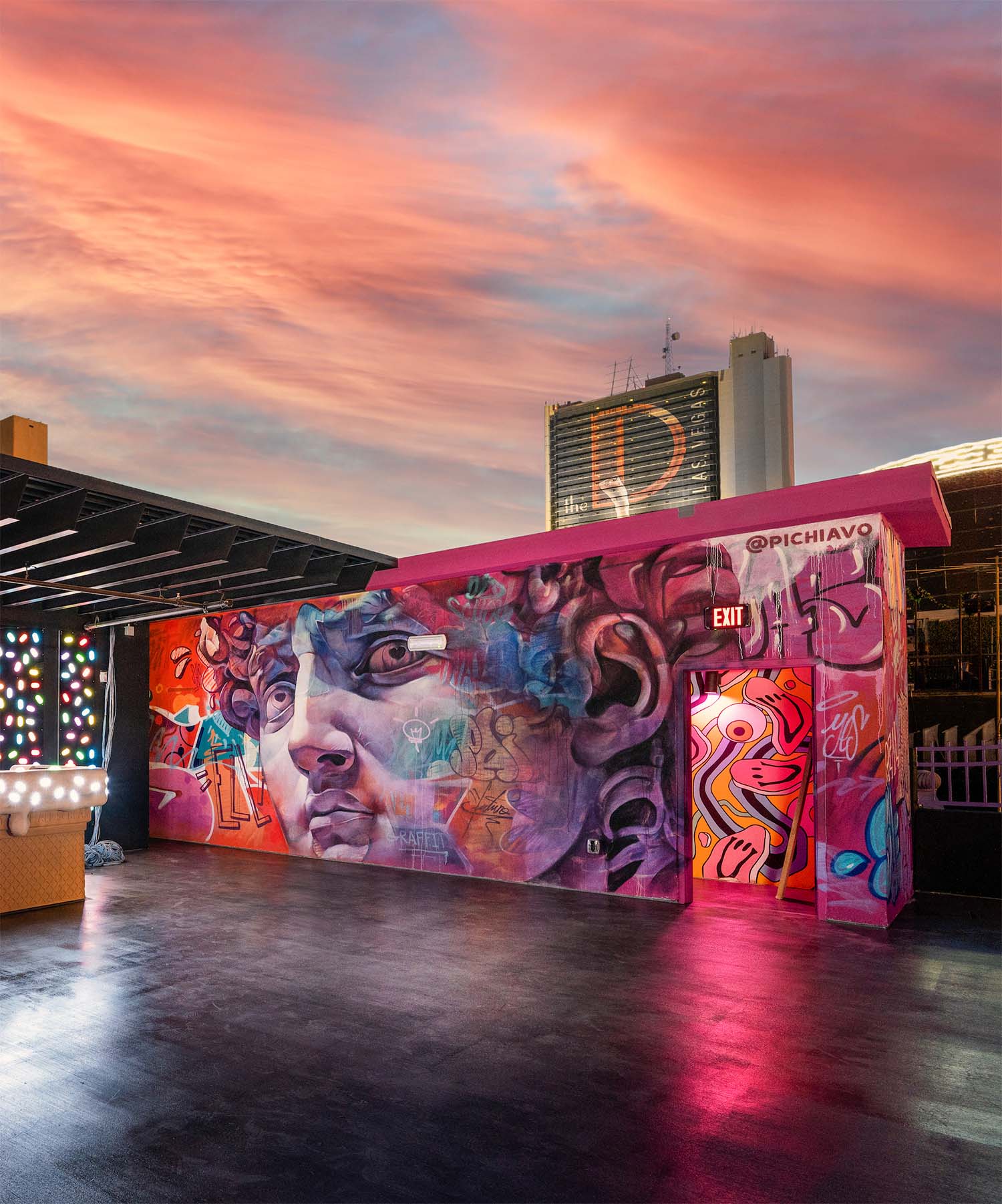
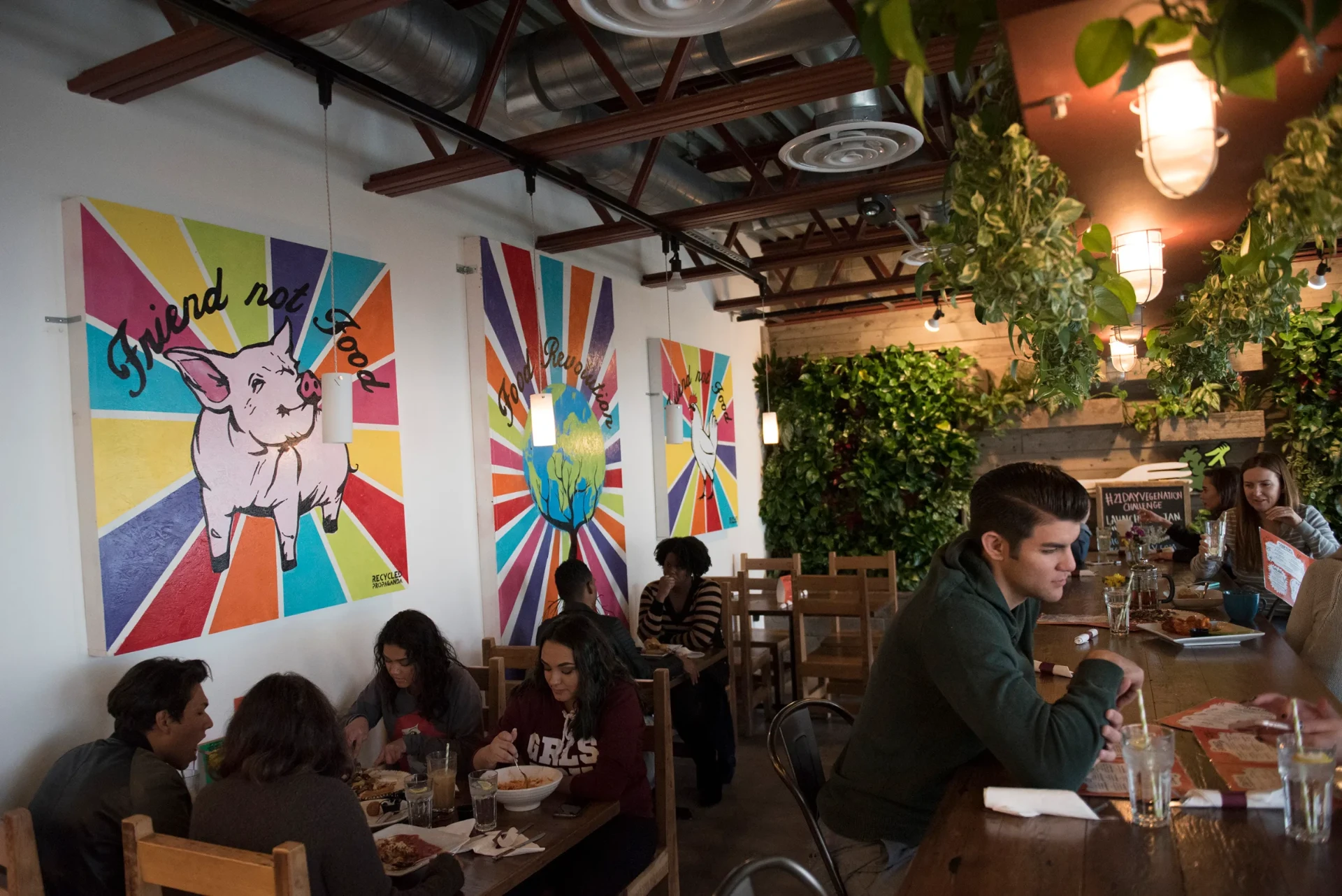
Downtown Las Vegas created opportunities to test many different approaches to community building.
These were not simply isolated investments. They created reasons for different communities to move through the neighbourhood, meet each other, learn from each other and participate in a shared experiment.
Community events, speaker programs, office hours, workshops, peer groups and informal gatherings became part of the collaboration infrastructure.
We were learning how to build ecosystems before ecosystem building had become a profession.
The work in Downtown Las Vegas ultimately connected ROCeteer with a much wider movement.
In 2017, ROCeteer was invited to participate in the inaugural ESHIP Summit convened by the Ewing Marion Kauffman Foundation. Around 450 practitioners gathered to help define an emerging field: entrepreneurial ecosystem building.
Many of the principles explored there had already been central to what ROCeteer had been working through in practice in Downtown Las Vegas.
The gathering would contribute to the development of Kauffman's Entrepreneurial Ecosystem Building Playbook.
Downtown Las Vegas gave us the laboratory. Ecosystem building gave the emerging discipline a name.
Real systems are messy.
Downtown Project was deliberately experimental. Not every company survived. Not every idea worked. Some initiatives evolved or disappeared, and the original vision changed significantly over time.
But that was also part of the learning.
A community is not a machine. An ecosystem cannot simply be engineered and controlled from the top down. You can invest in it. You can create places. You can support people. You can design connections. You can increase the probability of productive collaboration. But what ultimately emerges is the product of thousands of interactions across a living system.
Downtown Project itself continues to operate today in an evolved form, and a number of the businesses, places and initiatives created during the period remain important parts of Downtown Las Vegas. The wider neighbourhood has also undergone significant economic and social revitalisation involving DTP, the City of Las Vegas, businesses, residents and many other actors.
Collaboration can be designed. Outcomes cannot be guaranteed.
The lessons that shaped ROCeteer.
Proximity is not collaboration.
Putting talented people together creates potential. Relationships still need to be cultivated.
Not all connections create equal value.
Difference matters. Connecting people across industries, networks and perspectives creates greater potential for new ideas and possibilities.
Support the system, not just the organisation.
Companies may succeed, fail or evolve. But their people, knowledge, relationships and capabilities can continue creating value elsewhere in the ecosystem.
Collaboration needs infrastructure.
Purpose, places, relationships, trust, support, incentives and opportunities for action all influence whether collaboration actually happens.
This is where ROCeteer began.
ROCeteer was born inside Downtown Las Vegas. The challenge was unlike a conventional consulting engagement.
We were part of a community trying to understand, in real time, how entrepreneurs, businesses, investors, mentors, creatives and institutions could work together to create something larger than any one organisation.
It was where we began developing the frameworks. Where we learned the importance of intentional connection. Where we started talking about quality collisions. Where Return on Community began evolving toward Return on Collaboration. And where the first ROCeteer team came together.
The team and the lessons developed through Downtown Project became the foundation for the work that followed — from innovation challenges and government transformation to supply chains, climate ecosystems and system-level collaboration.
Downtown Project didn't just give ROCeteer its first project. It helped create ROCeteer.
The real infrastructure of an ecosystem is the relationships between its people.
Downtown Las Vegas taught us something that has shaped ROCeteer ever since. Investing in the nodes of a system is not enough.
You can fund companies. Build properties. Create programs. Launch events. Recruit talent. But the value of an ecosystem depends significantly on what happens between those things.
The connections. The trust. The exchange of knowledge. The unexpected conversations. The willingness to help. The collaborations that allow people to create something none of them could create alone.
That was the beginning of our understanding of Return on Collaboration.
The magic is in the connections.
Where could better connections change your system?
ROCeteer designs the conditions that help people, organisations and ecosystems collaborate more effectively — turning networks of potential into systems capable of collective action.