Scope 3 Is the Darling of the Collaboration World
For many companies, their biggest emissions sit outside the boundary of what they directly control.
ROCeteer · 2 min read
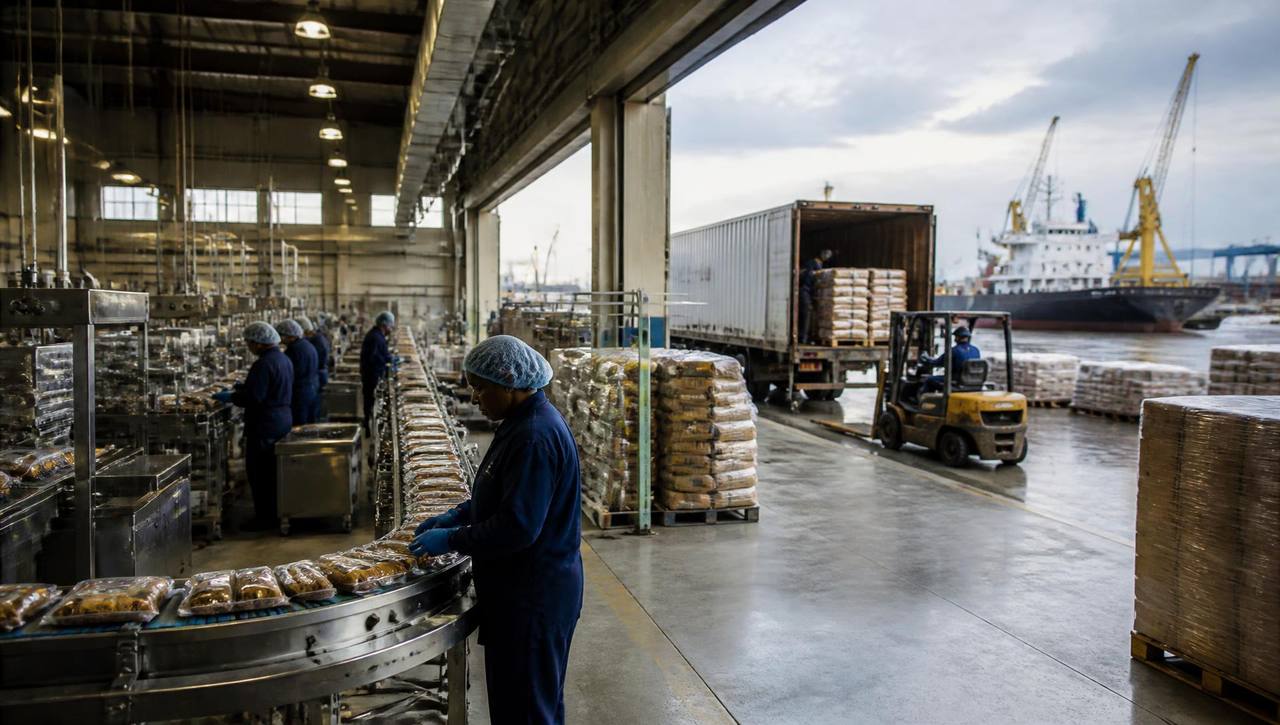
The Emissions You Do Not Control
Scope 1 emissions come from sources a company owns or controls. Scope 2 relates to purchased energy. Scope 3 stretches across the value chain - from purchased materials and transport to product use, investments and end-of-life activities.
For many companies, this is where the majority of their greenhouse-gas footprint sits. The GHG Protocol notes that Scope 3 can represent more than 90 percent of a company's combined Scope 1, 2 and 3 emissions in some cases.
That creates a profound management challenge: the largest part of the footprint may sit in organisations the company does not own.
Control Gives Way to Influence
Inside a company's own operations, leaders can approve capital, change equipment, redesign processes and set policy. In Scope 3, the tools are different. A customer can set expectations, use procurement criteria, share knowledge, create incentives or make long-term commitments - but it cannot simply manage an independent supplier as though it were an internal department.
Decarbonisation therefore moves from direct control toward influence. And influence is relational. It depends on leverage, trust, economics, information and mutual value.
Decarbonisation Becomes a Collaboration Challenge
Meaningful Scope 3 action can require suppliers to measure emissions, share primary data, switch energy sources, redesign products, change materials, invest in equipment or collaborate further upstream. Those changes may involve cost and risk.
The customer may need to help through capability-building, longer-term demand signals, financing mechanisms, aggregated procurement, technical support or shared innovation.
This is why a questionnaire is not a decarbonisation strategy. Data is necessary, but the emissions only fall when organisations change what they do.
“Scope 3 is what happens when the biggest outcome sits outside the boundary of your authority.”
ROCeteer
Everyone Is Someone Else's Scope 3
Scope accounting creates an illuminating overlap. One company's direct emissions can appear in another company's indirect inventory. The GHG Protocol explicitly recognises that multiple entities may account for the same emissions at different points in the value chain, while having different opportunities to influence reductions.
That is not a flaw. It reveals interdependence. The same tonne of emissions can sit inside several organisations' decision landscapes. One actor can change technology, another purchasing behaviour, another product design, another finance.
Decarbonisation becomes a problem of coordinated influence across the chain.
Scope 3 Is a Preview of the Future
Scope 3 is interesting beyond carbon accounting because it exposes a broader shift in management. Many of the outcomes organisations care about now depend on actors beyond their formal boundaries - resilience, cyber security, human rights, circularity, biodiversity and innovation.
Leaders cannot command these systems into compliance. They have to design relationships through which independent actors can move in compatible directions.
That is why Scope 3 is the darling of the collaboration world. It makes the central challenge impossible to ignore: when the outcome depends on people you do not control, collaboration becomes a core operating capability.